Showing posts with label Business for Sale. Show all posts

Wednesday, December 12, 2012

The Dos and Don'ts of Seller Financing


2misi.com
In today's tight business for sale marketplace, an owner's willingness to finance the sale gives him an edge over the competition. To stay on track, sellers need to follow some obvious - and some not so obvious - dos and don'ts.

There's nothing more frustrating than a listed business that attracts a lot of attention, but no buyers who are willing to seal the deal. Most of the time, the business isn't the problem. In fact, a business that generates significant attention in the marketplace is usually a good candidate for a sale. Instead, the issue is most often the buyers' inability to secure financing at the owner's selling price. That leaves owners with two options: Either lower the selling price or work with the buyer to overcome sale barriers.

Assess the Risk


A cash sale is an essentially risk free transaction for the seller. Once the deal is done, the seller can comfortably walk away from the business with money in the bank. In an owner financed transaction, the seller continues to be tied to the business long after the sale is complete. If the business succeeds, the new owner pays back the principal with interest and everyone is happy. But if the new owner is unable to make the business profitable, the seller could suffer the loss of interest income and incur additional costs to collect the debt.

The bottom line is that an owner financed sale needs to be evaluated as a business investment. Like any other investment, there is a certain amount of risk inherent in the decision. If you are comfortable enough to invest in the new owner, then it could be beneficial to finance the sale yourself. But if you aren't confident the buyer can make the business a success, offering financing as an enticement to close the deal is the worst decision you can make.

Leverage the Benefits


If the buyer is, in fact, a good investment risk, the seller stands to reap substantial benefits from self financing. Too many sellers view financing as a desperate measure to unload the business when they should be viewing it as a resource for enhancing the benefits of the sale.

Right out of the gate, your willingness to hold paper increases the final selling price of the business. Partially financed sales typically result in a price that is more than 15 percent higher than their cash sale counterparts. That means you can leverage your willingness to finance as a bargaining tool during negotiations.


Advertise Your Willingness to Finance

Sometimes sellers are hesitant to advertise a financing option because they aren't totally sold on the idea and are only willing to offer financing if they get backed into a corner during the negotiation process.

If you aren't comfortable with the idea of financing, then you shouldn't consider it as an option at all, not even during negotiation. But if you are comfortable with financing part of the sale, you should include that information as a selling point in your marketing efforts.
One of the most productive avenues for advertising a seller financed company is online. Listings containing information about owner financing yield a noticeably higher volume of hits than those that don't. 
 

DON'T Do It Yourself

A loan between a seller and a buyer is subject to limitless structures and variations, many of which require the input of professionals in order to secure airtight collateral, coherent loan terms and adequate insurance coverage. Before you agree to financing, obtain legal and financial advice from a professional you trust.

DON'T Be Pressured

There's a good chance that potential buyers will try to push for a seller financed deal. This is particularly true for buyers that are unable to secure financing from traditional lending sources due to an inadequate down payment or other borrowing obstacles.

No matter how anxious you are to sell the business, caving into buyer pressure for the sole purpose of closing the deal is a big mistake. When a buyer pushes too hard for financing, take a step back and conduct a simple reality check. If you aren't completely comfortable with financing the buyer's purchase, walk away and wait for a better buyer candidate to emerge.
 

Saturday, November 24, 2012

What Impacts the Selling Price of a Business for Sale


2misi.com


There is a lot to consider when you sell a business. The final purchase price and deal terms are impacted by many different factors that a buyer, and ultimately the "market", will consider.

Recent Performance

Over the past 2-3 years is the business growing, flat, or declining?

Ease of Transition


Interestingly enough, most small business buyers will purchase a business outside of their area of expertise or experience. As such, it is important that the transitional period after the sale is something that the buyer sees as being reasonable.

A buyer must feel confident they'll be able to have a good grasp of things within a short time after they take over. This can only be accomplished if the business is well managed with policies, procedures and systems in place.

The Buyer Pool

ust like the transition period, there is a direct correlation between the purchase price of a business and the ease in which someone new can operate it. In the market, there are tons of people always looking to acquire a business.

The greater the amount of those people who can see themselves running the business, the more demand there will be for the business, and therefore the higher the price and the better the terms a seller can get. If a business simply requires good all around business/management skills, then the buyer pool will be quite large.

Conversely, if highly specialized or certified skills/licenses are required to operate the business, the number of potential individual buyers shrinks drastically. In extreme cases, a seller may have to think about a strategic sale to someone in the industry.

Books and Records

I cannot emphasize enough the importance of having good, clean and accurate books and records. It may very well be the single most important influencing factor of the price and terms when a business is for sale. There is no quicker way to "kill a deal" than having the buyer learn that the actual company records are not in line with what was originally represented. It is terribly upsetting when a deal falls apart, and though some may be salvaged, when it's due to poor financial records.


Another aspect is unreported income. If you are taking in cash sales and not reporting it, then you cannot expect to be paid for it when the time comes to sell the business. If you had the benefit of not paying taxes for years on this money, and you have no quantifiable means to prove the number, then surely you cannot expect anyone to pay you anything, let alone a premium for this "alleged" revenue.


Customer Concentration

Business A has one hundred clients, none of which represent more than five percent of the revenues. Business B has the same hundred clients, but two of them contribute forty percent of the revenue. Which company is worth more? Business A of course! If one or two of Business B's clients stop buying, the business could decline by almost half.

Exclusive Products or Services

If there is an element of exclusivity to the business, whether in product or territory, this can be a huge selling factor. Naturally, the buyer will want to see this transition to them and so you need to consider this situation. For example, in a distribution business that has an exclusive territory, it will be paramount (and definitely a deal contingency) that the relationship with a particular supplier for example will continue.


Conversely, if the entire business relies on this relationship, it can hurt you. It's the supplier version of customer concentration. However, if the relationship is solid and a new contract will be granted to a buyer, it can be worth a premium in the sales price.

Recurring Revenue

Any business with a strong recurring revenue base is both highly sought after and will almost always command a premium. The lure is that a new buyer is almost assured of continuity and can count on revenue from day one. If any part of your business has a recurring revenue component, then play it up. If not, think about ways that you can possibly generate some; it will be well worth the effort and expense to do so.


Wednesday, November 7, 2012

Buying a Gas Station


2misi.com


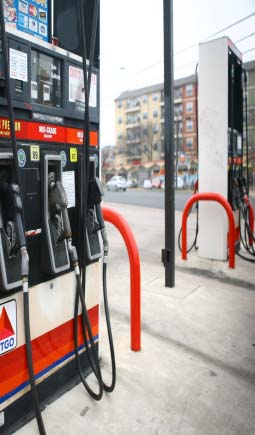
One of the most popular categories of businesses for sale is gas station. If you want to buy a gas station, it is especially important for you to understand the peculiarities of this industry because it is one of the most complex types of businesses to purchase.

The good news is that buying a gas station can provide you with a very solid and relatively easy business to operate. Despite the volatility of oil prices, or the future potential for alternate fuels, gas stations are not slated for extinction any time soon. Regardless of what may happen in the future, there will always be a need to have local centers to service the market, whether or not there will be a full shift to new vehicle power sources.


What Exactly are You Buying? Make Sure You're Comparing Similar Businesses!

It is hard to understand the vast differences of the key financial ratios when looking at the gas station for sale listings. You may have noticed that prices and profits vary greatly. That is due to the many variables involved with gas stations for sale. Some include real estate, while, in many cases, one entity owns the property and still a completely different landlord owns the land. Or, there may not be any property involved at all in the sale, but you certainly have to pay attention to lease terms, transferability and expiration. Still, there are others that include convenience stores, car washes, or repair centers.


Franchise Gas Station

You can buy a gas station that operates under the brand of one of the major oil companies or you can operate as an independent.

With a franchise, you are obligated to purchase that company's gasoline, participate in their promotions, and adhere to their franchise policies. More and more of these locations are turning over to direct ownership by the oil companies directly; however, there are still plenty of good ones available.

One of the most compelling reasons to operate a franchised location is that the franchisor is on the hook for any environmental issues.


Looming Threats

There are several things you need to be aware of and investigate before you forge ahead with the purchase of a particular gas station. Here are two of the most common and compelling ones:
  • Road Work - In general, major roadways undergo construction every ten years or so. Check the records at city hall for past work, and speak with the local building department to see if any significant work is scheduled. Keep in mind that if they redo the roads that provide access to the gas station, you could be out of business for up to a year or more.
  • Environmental Issues - You must investigate any lingering environmental litigation that the current owner may be involved with because, regardless of the structure of the sale, the new owner may be on the hook as well. 


The Ideal Gas Station for Sale - What to Look for Specifically

It would be great to buy a gas station that does not require a huge amount of improvement. Some of the key ingredients you want in place include:
  • Location - Immediate access right off the interstate or on a high traffic roadway with little competition is clearly the ultimate setup.
  • Attractiveness - A welcoming look, updated signage, canopies over the pumps, and a clean mini-mart add tremendous value and increase customer counts in more competitive locations. Although you can add these attributes after you buy the gas station, having them in place really gives you a running start.
  • Large Convenience Store - Studies indicate that the larger the convenience store, the more volume generated; thus, the greater amount of profit. This is simple math, really, but what is interesting is that customers will be more attracted to a larger facility if given the choice between competing stations in the same area.
  • Crime - Gas stations are easy targets for crime. Unless you want to stay up at night worrying about the safety of your employees, or own a business, choose a better neighborhood. At the very least, investigate the crime records to see how many past incidents there have been so you know what you are getting into. Better lighting, large windows, and surveillance cameras are quick fixes and proven deterrents, so look for these components or investigate the costs to add them. It will be worth every penny.
 
Something to Think About

While owning a gas station can provide you with a solid, stable business, there are many moving parts that need to be addressed when you are investigating the purchase of a gas station. It is important that you take the time to investigate all of these issues so that you buy a gas station that will prove to be a rewarding long term investment.

Don't leave anything to chance. Take your time, do your research, and educate yourself before you buy a gas station. By doing so, you will dramatically increase your chances of success.

Friday, November 2, 2012

Forget the Selling Price of a Business for Sale!


2misi.com
There's a popular saying regarding the selling price of any business for sale: "a business is overpriced the day it's listed for sale." Experience shows, there's more truth than fiction to this statement.

The selling price has nothing to do with the purchase price. Good negotiating skills and creative deal-making is what gets a deal done! So, when looking at listings, don't get discouraged by what they're asking. It's easy to understand the seller's desire to price a business higher than what the market will bear.

Most Sellers Have an Emotional Attachment to Their Business


Sellers generally do not receive any professional input when establishing their selling price. They typically price the business based upon what they think it is "worth", or what they "need" to get out but this in no way reflects what the real value is.

The challenge for a potential buyer is to combat these issues with factual information in order to acquire the business and achieve the greatest possible return.

Both buyers and sellers must realize that business valuations are very subjective. It's an art, not a science. Both parties must also realize that appropriate formulas for that particular size and type business must be applied. Of equal importance is that both parties must recognize that it is only worth what a buyer is willing to pay and what a seller is willing to accept.

All of this sounds pretty basic and generic, doesn't it? The difficulty, of course, is to come to a common dollar figure. I've always felt that every seller's value is too high and every buyer's calculation is too low, and somewhere in the middle lays an accurate valuation.

When addressing the price in any negotiation, ask the seller to outline how they arrived at their price. If you do your research, you'll be able to demonstrate an abundance of reasons why they may be asking too much. Having said this, there are certain sellers, highly motivated ones, who price their business fairly. In these cases, work on getting other concessions in the deal in exchange for meeting their price.

Whenever you look at a business purchase, keep in mind that everything is negotiable, especially the price. Use it as a barometer for the seller's thought process. Don't allow the selling price of any business within striking distance be a deterrent to you. If it's the right business for you, then solid negotiating skills can adjust any seller's thinking.
http://www.2misi.com/article/2012/06/forget-the-selling-price-of-a-business-for-sale

Saturday, October 27, 2012

How to Successfully Buy a Business Online


2misi.com
Thinking of turning your dream of starting a business into reality? Realizing the dream of starting a business, though, can be challenging without the right know how. Most small business buyers have never purchased a business before, and it can be difficult to know where to start. Going into business for yourself will undoubtedly require large amounts of commitment and drive to overcome fear of the unknown, but keeping four critical factors in mind can help ensure success when investing time and money into a small business.

Use Online Resources

The easiest way to learn about your options is to research what's available on an online business marketplace. Newspaper classifieds include a limited amount of the businesses for sale in one immediate area, while an online marketplace is more expansive. This kind of site offers a database full of available businesses in any area, which means that you can search locally or anywhere in the country if you are considering a change in location.


Be Savvy in Dealing with Sellers

Once you've located a business that interests you, contact the business owner. Make a list of any questions not answered, and be sure to get all the information you need from the seller. For example, it is a good idea to ask the reason why the business is being sold. Also, be sure to ask the seller to provide documentation for any numbers provided.

If the business seems like a good fit after receiving the answers, ask to view the business firsthand. If possible, visit the business without identifying yourself as a potential buyer to make sure you are satisfied with its appearance and location.

Don't be afraid to negotiate. Businesses generally sell for up to 25 percent of the seller's initial selling price, so there's no need to settle for numbers presented to you at the start without question.

Follow Through with Due Diligence

Once you've thoroughly communicated with a seller and all the information checks out, it can be tempting to want to speed up the process and sign a contract as quickly as possible. While the prospect of finally owning a business is exciting, there is still a need to work out contingencies. This process is known as "due diligence."


Although the numbers might sound good to you, it would be a good idea to bring in outside professionals such as business supervisor to validate them.

Embrace Lifestyle Change

Business owners often discover a new sense of freedom and purpose. They won't have to deal with a boss, their schedules - while less predictable - can be more flexible and a great sense of pride can come from seeing the business through to greatness.